 EN
EN
 cn
cn 
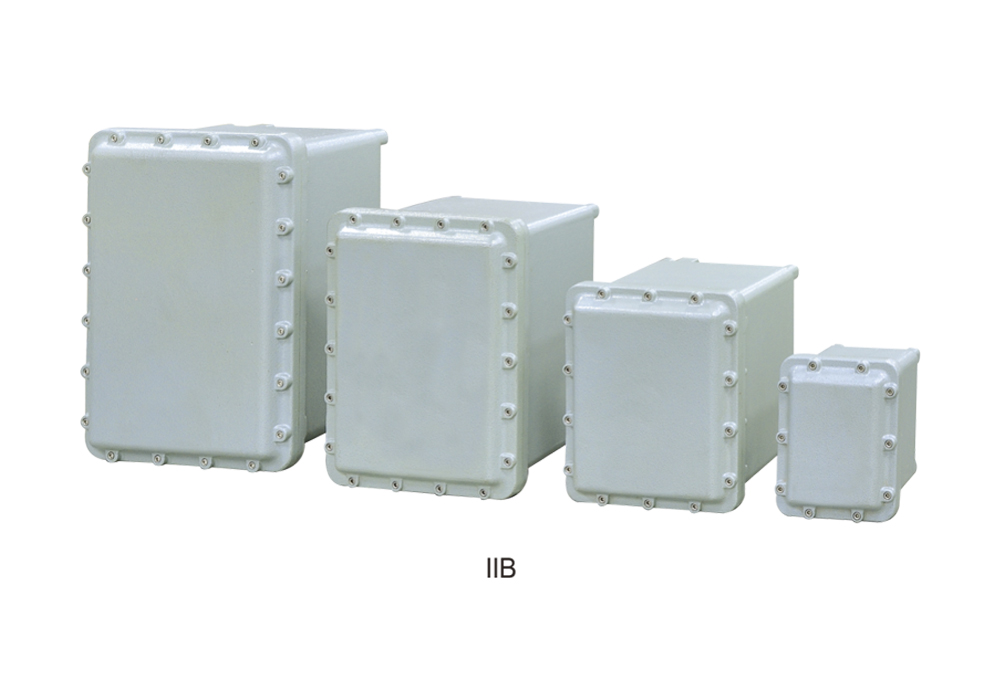
-d1.webp "EFJX Waterproof, Dustproof, and Corrosion-Resistant Junction Box (Aluminum Alloy)")
Enhancing Safety in the Use of Flameproof Junction Boxes
Nov 05,2025


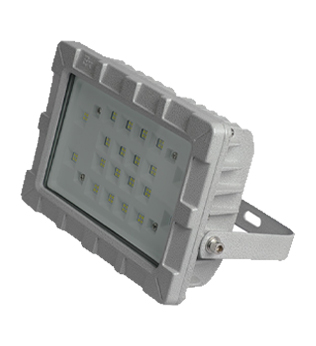
-series-explosion-proof-power-distribution-panels.webp "SEM(D) Series Explosion-Proof Power Distribution Panels")
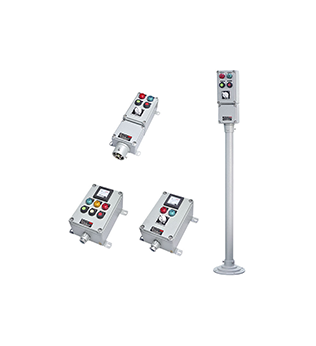
-x.webp "EFC Waterproof, Dustproof, and Corrosion-Resistant Control Station (Aluminum Alloy)")
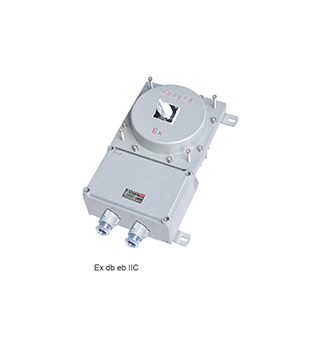
-waterproof,-dustproof,-and-corrosion-resistant-lighting-(power)-distribution-box-(aluminum-alloy)-x.webp "EFM(D) Waterproof, Dustproof, and Corrosion-Resistant Lighting (Power) Distribution Box (Aluminum Alloy)")
-x.webp "EFDZ Waterproof, Dustproof, and Corrosion-Resistant Circuit Breaker (Stainless Steel/Carbon Steel)")
-x.webp "EFCX-n Waterproof, Dustproof, and Corrosion-Resistant Pin Connector (Aluminum Alloy)")
-x.webp "EFJX Waterproof, Dustproof, and Corrosion-Resistant Junction Box (Aluminum Alloy)")
-x.webp "Waterproof, Dustproof and Anti-Corrosion Electrical Box (Economy Type)")
In 2026, hazardous-area expansions are moving faster and under tighter budget constraints than at any point in the previous decade. EPC contractors and plant owners scaling up chemical processing capacity, offshore installations, and industrial facilities are placing orders for hundreds or thousands of ex proof plug units per project—and every one of those connection points has to pass the same audit scrutiny as the first. At the same time, the explosion proof switch socket outlet at each maintenance power point is one of the most frequently overlooked sources of arcing risk, documentation gaps, and commissioning rework when specifications or certifications do not align with the site's hazardous-area requirements.
The procurement tension in 2026 is specific: cost pressure multiplies with quantity, but so does the cost of one non-compliant batch. A shipment of ex proof plugs that fails site inspection—wrong gas group marking, incorrect temperature class, missing IECEx documentation—does not just cost the unit price. It costs the re-procurement lead time, the re-installation labor, the commissioning delay, and in some cases the audit finding that triggers a broader review of the electrical installation. For projects with hundreds of connection points, that exposure is not theoretical.
The answer is not to choose between cost and compliance. It is to find a certified product family that delivers both—and to understand why that combination is now more accessible than it was five years ago.
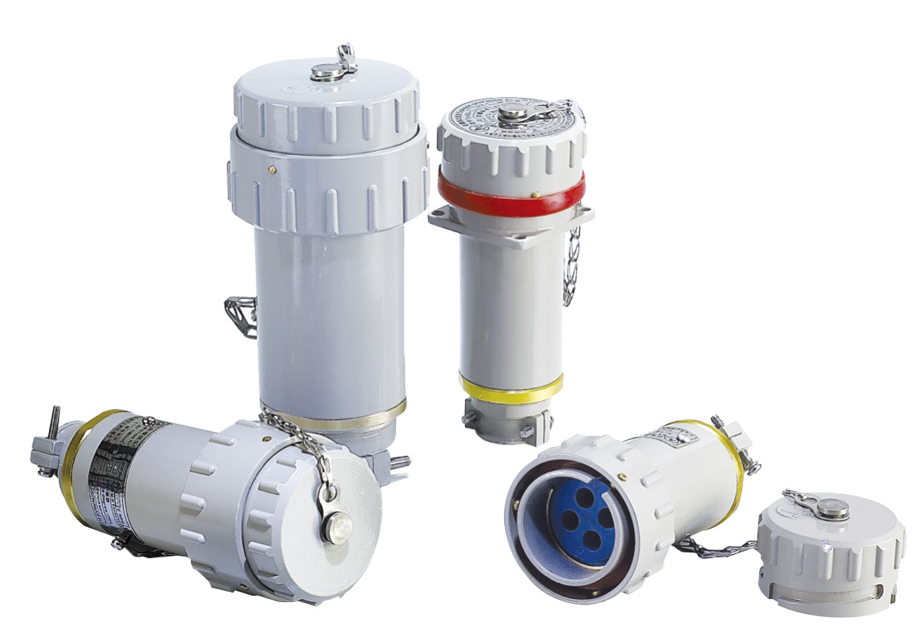
The cost-versus-compliance tension is most acute in large-scale hazardous-area expansions. A single maintenance power point with one ex proof plug and one socket outlet is a straightforward specification decision. A chemical plant expansion with 400 maintenance power points, a turnaround project with 200 temporary power connections, or a modular skid package requiring a standardized plug family across 50 skids is a different procurement challenge entirely.
At that scale, the unit price difference between a certified European brand and a certified Chinese manufacturer can represent a procurement saving of 20 to 30 percent across the full bill of materials. For a project with 500 plug and socket units, that saving is material. The question procurement teams are asking in 2026 is not whether Chinese-manufactured explosion-proof electrical equipment can be certified to the same standard as European alternatives—it can, and increasingly is—but whether a specific supplier's product delivers the build quality, documentation completeness, and certification scope that the project requires.
Compliance in hazardous-area electrical procurement is not a binary condition. A product can carry a certification marking and still fail to meet the project's requirements if the certification scope does not match the site's hazard classification, if the temperature class is not verified against the specific gases or dusts present, if the documentation package is incomplete for the inspection regime, or if the build quality does not sustain the certified performance over the product's service life.
For ex proof plug procurement at scale, compliance means:
Correct hazardous-area suitability: gas group, temperature class, and protection concept matched to the site hazard assessment
Certification scope: ATEX and/or IECEx certification from an accredited notified body, with documentation traceable to the specific product and batch
Build quality consistency: sealing performance, corrosion resistance, mechanical integrity, and interlock reliability maintained across the full production batch, not just the qualification sample
Documentation readiness: COA, declaration of conformity, installation instructions, and traceability records available in the format required by the project's inspection and handover regime
A product that meets all four criteria from a Chinese manufacturer certified to ATEX/IECEx standards is, from a compliance standpoint, equivalent to a product meeting the same criteria from a European manufacturer. The certification standard does not distinguish by country of manufacture—it distinguishes by whether the product meets the technical requirements and has been verified by an accredited body.
The primary ignition risk at a hazardous-area power connection point is arcing at the moment of make or break—specifically, when an operator inserts or withdraws a plug while the circuit is energized. In a Zone 1 or Zone 2 environment, or in a Division 1 or Division 2 area, the arc generated by breaking a live circuit at the plug-contact interface is a potential ignition source for any flammable atmosphere present at that moment.
This risk is not hypothetical. It is the reason that hazardous-area plug and socket systems are specified rather than standard industrial connectors, and it is the reason that the interlock mechanism is the functional core of a compliant explosion proof switch socket outlet—not just the enclosure certification.
The mechanical interlock in a properly designed explosion proof switch socket outlet enforces two protections simultaneously:
No withdrawal under load: The plug cannot be physically withdrawn from the socket while the switch is in the ON position and the circuit is energized. The mechanical linkage between the switch mechanism and the plug retention system prevents release until the circuit has been de-energized.
No energizing before full insertion: The switch cannot be moved to the ON position until the plug is fully seated and correctly engaged. Partial insertion—where contacts may be partially engaged but not fully mated—is prevented from being energized.
Together, these two protections enforce the only safe operating sequence: insert fully, lock, switch ON; and switch OFF, unlock, withdraw. The interlock makes this sequence physically mandatory rather than procedurally recommended—which is the critical distinction in high-traffic maintenance power environments where operator behavior cannot be relied upon as the sole safety control.
Shengyi's explosion-proof plug and socket products are designed with fail-safe interlock mechanisms and positioned for global hazardous-area applications, with ATEX and IECEx certification supporting deployment across international project sites.
The single most consequential specification decision for any ex proof plug procurement is confirming the required certification scope before evaluating any other parameter. For international projects, ATEX (for European and many export markets) and IECEx (for global mutual recognition) are the primary certification schemes. Both require third-party testing and certification by an accredited body, and both produce documentation that is traceable to the specific product design and manufacturing process.
Shengyi positions its explosion-proof plug and socket lineup with ATEX and IECEx certification, supporting deployment in gas and dust zones across international project sites. For project procurement teams, the key verification steps are: confirm that the certification marking on the product matches the site's required protection concept, gas group, and temperature class; confirm that the certification documentation is available in the format required by the project's inspection and handover regime; and confirm that the certification scope covers the specific product configuration being ordered, not just a base model.
For hazardous-area plug and socket systems deployed in chemical processing, offshore, food processing, or other harsh environments, IP sealing performance is a long-term compliance variable, not just a day-one specification. A socket that achieves IP66 at commissioning but whose gaskets degrade within two years of service in a chemical atmosphere is not providing the protection it was specified for.
Shengyi's explosion-proof plug and socket lineup is rated to IP66/67, providing dust-tight and high-pressure water jet protection suitable for the majority of harsh industrial environments. For procurement teams, the relevant questions are: what gasket material is used, and is it compatible with the chemical environment at the installation site? What is the manufacturer's recommended gasket replacement interval? Is the IP rating achieved by the complete assembled unit including cable glands, or only by the enclosure body?
The following table summarizes the key configuration parameters for ex proof plug specification in large-scale hazardous-area projects:
| Parameter | Options / Range | Compliance and Cost Implications |
|---|---|---|
| Rated voltage | 110V / 230V / 400V / 690V | Must match site supply; incorrect voltage rating is a compliance failure |
| Rated current | 16A / 32A / 63A / 125A | Must cover maximum load with derating for ambient temperature |
| Pin configuration | 1P+N+PE / 2P+PE / 3P+PE / 3P+N+PE | Keying prevents mis-mating; standardize across project to reduce errors |
| Protection concept | Ex d / Ex e / Ex de combination | Must match site classification and certification scheme |
| Gas group | IIA / IIB / IIC | Must match most severe gas present; IIC covers hydrogen and acetylene |
| Temperature class | T1 through T6 | Must be below auto-ignition temperature of hazardous substance |
| IP rating | IP66 / IP67 | IP66 for water jet; IP67 for temporary immersion; confirm for site conditions |
| Enclosure material | Aluminum alloy / stainless steel / GRP | Stainless or GRP for offshore, chemical, or aggressive washdown environments |
| Cable entry | Metric / NPT / PG thread; certified glands | Must align with site cable management standard; gland selection affects IP performance |
| Additional protection | Leakage protection / overload protection / transformer integration | Relevant for socket box solutions in maintenance power distribution applications |
| LOTO provisions | Padlock hasp | Required for lockout/tagout compliance in maintenance scenarios |
For large-scale projects, standardizing on a single pin configuration and keying arrangement across all maintenance power points is one of the most effective cost-reduction measures available. It eliminates mis-mating errors, simplifies spares inventory, reduces training requirements for maintenance personnel, and accelerates commissioning by removing the need for per-point compatibility verification.
The ROI case for a certified, standardized ex proof plug and socket family is strongest in the application contexts where quantity, connection frequency, and environmental exposure are all elevated simultaneously:
| Application Context | Quantity Driver | Primary Risk Without Correct Spec | Key Specification Priority |
|---|---|---|---|
| Chemical plant expansions and revamps | Hundreds of maintenance power points per project | Non-compliant batch → site rejection → commissioning delay | ATEX/IECEx certification + documentation completeness |
| Turnaround and shutdown work | High connection/disconnection frequency; elevated human factors | Live unplugging → arcing → incident | Interlock function + correct gas group/temperature class |
| Skid packages and modular construction | Standardized plug family across multiple skids | Mis-mating → connection errors → rework | Pin keying + standardized SKU family |
| Offshore and marine installations | Saltwater corrosion + Zone 1 classification | Enclosure corrosion → IP failure → ingress → electrical failure | Stainless or GRP enclosure + IP67 + marine certification |
| Corrosive chemical environments | Aggressive atmosphere + continuous exposure | Gasket degradation → IP failure → dust/moisture ingress | Chemical-resistant gasket + enclosure material compatibility |
| Food and pharmaceutical processing | Dust exposure + washdown + audit frequency | Dust ingress → contact failure + audit nonconformity | IP66 + dust group certification + documentation readiness |
The 20 to 30 percent procurement cost reduction available from Shengyi's certified explosion-proof plug and socket products versus European tier-1 alternatives is not achieved by reducing certification scope or build quality. It is achieved through supply chain optimization: manufacturing scale, vertical integration of key components, and a cost structure that reflects Chinese industrial manufacturing efficiency rather than European labor and overhead costs.
The certification standard is the same. ATEX and IECEx certification requires the same technical performance from a Chinese manufacturer as from a European one—the accredited notified body applies the same test criteria regardless of where the product is made. The cost difference is in the manufacturing economics, not in the compliance level.
For a project with 500 plug and socket units at an average unit price difference of 25 percent, the procurement saving is material and directly improves project economics without introducing compliance risk. For procurement teams who have historically defaulted to European tier-1 brands on the assumption that certification equivalence was not achievable from Chinese manufacturers, 2026 is the year to revisit that assumption.
Misselection in ex proof plug procurement is expensive at any scale, but it is most expensive in large projects where a specification error affects hundreds of units simultaneously. The following RFQ inputs should be confirmed before any volume order is placed:
Area classification basis: Zone/Division, gas group, temperature class, and dust exposure for each installation point (or the most severe condition if standardizing across a project)
Required certification and markings: ATEX, IECEx, or regional equivalent; specific marking format required for the project's inspection and handover documentation
Electrical ratings: voltage, frequency, current, and load type (resistive, inductive, motor) with ambient temperature derating applied
Pin configuration and keying: standardized across the project to prevent mis-mating
IP target and environmental exposure: IP66 or IP67; enclosure material based on corrosion and chemical exposure; gasket material based on cleaning agent compatibility
Cable entry: thread type, gland specification, and strain relief compatible with the project's cable management standard
Quantity by SKU and commissioning schedule: batch control and lead time alignment to project milestones
| Maintenance Item | Inspection Criteria | Recommended Action on Finding |
|---|---|---|
| Cover gasket condition | No hardening, cracking, compression set, or chemical degradation | Replace gasket; do not operate until replaced |
| Cable gland tightness | Correct torque; no cable movement; seal element in contact with cable jacket | Re-torque or replace gland; verify cable diameter compatibility |
| Interlock mechanism | Smooth engagement and release; no bypass play or wear allowing sequence deviation | Service or replace; do not operate if interlock can be bypassed |
| Contact condition | No discoloration, pitting, or deposits indicating overheating or contamination | Clean contacts; investigate root cause; replace if pitting is significant |
| Enclosure fasteners | No corrosion, loosening, or missing fasteners; correct torque | Replace corroded fasteners; re-torque to specification |
| Enclosure surface condition | No penetrating corrosion; coating intact | Assess corrosion depth; replace if structural integrity is affected |
The total cost of ownership for ex proof plug and socket systems in large projects is dominated by four cost categories that are all larger than the unit price difference between a compliant certified product and a cheaper non-compliant alternative:
Field rework from wrong markings or specifications: A batch of ex proof plugs with incorrect gas group markings or missing IECEx documentation that is rejected at site inspection requires re-procurement, re-delivery, and re-installation. At 500 units, the labor cost of re-installation alone exceeds the unit price saving from the non-compliant product many times over.
Downtime from sealing or contact failures: A socket that fails due to IP sealing degradation or contact overheating in a production area generates an unplanned line stop. In chemical processing or pharmaceutical manufacturing, the cost of one unplanned stop typically exceeds the cost of the entire socket installation at that point.
Audit nonconformities and documentation gaps: An audit finding related to hazardous-area electrical equipment can trigger a broader review of the installation, require corrective action documentation, and in some cases require re-inspection by a third party. The administrative and operational cost of managing an audit nonconformity is disproportionately large relative to the cost of correct specification.
Spares complexity from non-standardized SKU families: A project that uses multiple plug and socket families—because standardization was not enforced at the specification stage—requires a larger spares inventory, generates more ordering complexity, and increases the risk of installing an incorrect replacement unit in a classified area.
In 2026 hazardous-area expansions, the best purchasing outcome is not the cheapest connector—it is a repeatable, documented standard that stays compliant from design review through commissioning and keeps operating costs predictable across the full service life. A properly specified ex proof plug paired with an interlocked explosion proof switch socket outlet reduces arcing risk, supports audit readiness, and lowers total installed cost through standardization, sealing performance, and documentation completeness.
The cost advantage available from Shengyi's ATEX/IECEx certified explosion-proof plug and socket products—20 to 30 percent below European tier-1 pricing at equivalent certification level—is most valuable in large-scale projects where that saving compounds across hundreds or thousands of connection points. The compliance foundation is the same. The economics are better.
Visit the explosion-proof plugs and sockets product page to review available certifications, IP ratings, current ratings, enclosure materials, and configuration options across the full product family.
View the SEXC-A/B series maintenance power socket box for a practical example of how interlocked socket design, IP sealing, and integrated protection options come together in a maintenance power distribution application.
Send the details below to receive a recommended configuration, a costed bill of materials, and lead time confirmation for your project:
| Requirement Category | Details to Provide |
|---|---|
| Hazardous area and environment | Zone/Division, gas group, temperature class, dust exposure, corrosion environment, washdown requirement, indoor/outdoor |
| Quantity | Per SKU and total project quantity; commissioning schedule if phased |
| Electrical specification | Voltage, frequency, current (A), load type, pin configuration and keying requirement |
| IP and material | IP target (IP66/IP67), enclosure material preference, cable entry thread type and gland standard |
| Certification requirement | ATEX, IECEx, or regional equivalent; specific marking and documentation format for project handover |
| Target outcomes | Compliance scope, standardization across project, uptime requirement, corrosion service life, audit readiness |
| Current problems | Audit gaps, arcing incidents, water or dust ingress failures, lead time constraints, rework from previous misselection |
1. What is an ex proof plug?
An ex proof plug is a hazardous-area rated electrical connector designed for use in locations where explosive gas, vapor, or combustible dust atmospheres may be present. It is selected and installed according to the site's area classification, required protection concept, gas group, and temperature class, and must be certified by an accredited body to the applicable hazardous-area standard—ATEX, IECEx, or a regional equivalent. It is not simply a ruggedized industrial plug; it is a safety-critical component whose certification scope, marking, and build quality must all match the specific hazardous-area requirements of the installation site.
2. Explosion proof switch socket outlet vs. ordinary industrial socket — what is the difference?
An ordinary industrial socket, even one with a high IP rating, is designed for general industrial environments and is not certified for use in explosive atmospheres. It does not incorporate the protection concepts—flameproof enclosure, increased safety design, or interlocked switching—required to reduce ignition risk in hazardous areas. An explosion proof switch socket outlet is engineered and certified specifically for explosive atmosphere environments. It combines a certified enclosure design with a mechanical interlock that prevents live unplugging and prevents energizing before full plug insertion—eliminating the primary arcing ignition pathway at the connection point. The certification, the protection concept, and the interlock mechanism are all absent from a standard industrial socket, regardless of its IP rating.
3. What is the ROI or payback of standardizing certified plug and socket families for a large hazardous-area project?
The payback is realized across four cost categories. Fewer field changes from specification errors reduce re-procurement, re-delivery, and re-installation costs—which at project scale are multiples of the unit price saving from a non-compliant alternative. Faster approvals from complete documentation packages reduce commissioning delays and the associated project overhead costs. Reduced spare SKU complexity from a standardized plug family lowers inventory carrying costs and reduces the risk of incorrect replacement installations. Fewer failures from sealing and contact degradation reduce unplanned downtime costs, which in production environments are typically orders of magnitude larger than the cost of the failed component. For projects with hundreds of connection points, the cumulative payback from these four levers is substantial.
4. Do we need retrofit work to switch brands or models of ex proof plugs?
In most cases, some site-level alignment is required, but a full retrofit is not typically necessary. The primary alignment steps are: confirming that the cable entry thread type and gland specification are compatible with the existing site cable management standard; verifying that the pin configuration and keying of the new plug family are compatible with the existing socket installations, or planning a coordinated replacement of both plug and socket; confirming that the enclosure material and gasket specification are compatible with the site environment and cleaning agents; and verifying that bonding and grounding connections meet site requirements. For large projects where both plugs and sockets are being specified simultaneously, standardizing the complete plug-socket family from the outset eliminates compatibility issues entirely.
5. What parameters should we provide for correct selection?
To receive a configuration recommendation and costed bill of materials that accurately reflects your project requirements, provide the following: area classification (Zone/Division), gas group, and temperature class for the installation points; dust exposure if applicable; required certification scheme (ATEX, IECEx, or regional equivalent) and specific marking format for project documentation; rated voltage, frequency, and current; load type (resistive, inductive, motor); IP rating target (IP66 or IP67) and environmental exposure details (corrosion, washdown pressure, outdoor UV); enclosure material preference; cable entry thread type and gland standard; pin configuration and keying requirement; quantity by SKU and commissioning schedule; and a description of current problems—such as audit gaps from documentation deficiencies, arcing incidents at maintenance power points, water or dust ingress failures, lead time constraints, or rework costs from previous misselection.

E-mail:
zou@shengyiex.com

Phone:
+86-13817799891

Add:
No.8 Bailian Road, Nanmingshan Street, Liandu District, Lishui City, Jiangsu Province