 EN
EN
 cn
cn 
-d.webp "EFQM Waterproof, Dustproof, and Corrosion-Resistant Cable Gland (Stainless Steel, Carbon Steel, Brass, Engineering Plastic)")

Why Oil Refineries Are Switching to Certified Explosion‑Proof LED Lighting (ATEX/IECEx/UL) for Safer, Lower‑Cost Illumination
May 20,2026


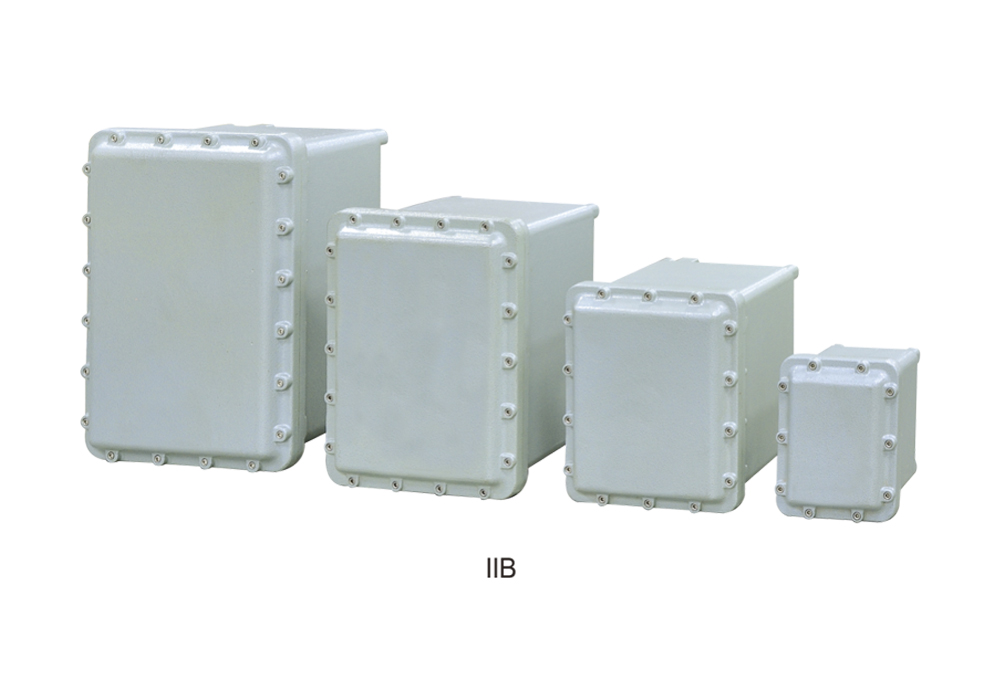
-series-explosion-proof-power-distribution-panels.webp "SEM(D) Series Explosion-Proof Power Distribution Panels")
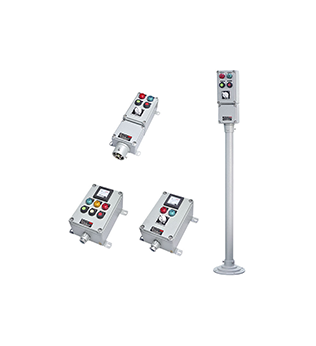
-x.webp "EFC Waterproof, Dustproof, and Corrosion-Resistant Control Station (Aluminum Alloy)")
-waterproof,-dustproof,-and-corrosion-resistant-lighting-(power)-distribution-box-(aluminum-alloy)-x.webp "EFM(D) Waterproof, Dustproof, and Corrosion-Resistant Lighting (Power) Distribution Box (Aluminum Alloy)")
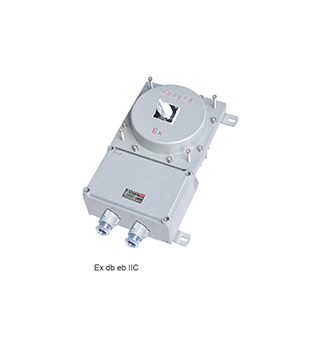
-x.webp "EFDZ Waterproof, Dustproof, and Corrosion-Resistant Circuit Breaker (Stainless Steel/Carbon Steel)")
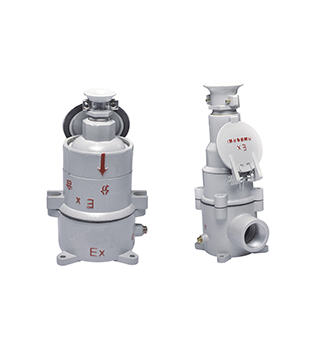
-x.webp "EFCX-n Waterproof, Dustproof, and Corrosion-Resistant Pin Connector (Aluminum Alloy)")
-x.webp "EFJX Waterproof, Dustproof, and Corrosion-Resistant Junction Box (Aluminum Alloy)")
-x.webp "Waterproof, Dustproof and Anti-Corrosion Electrical Box (Economy Type)")
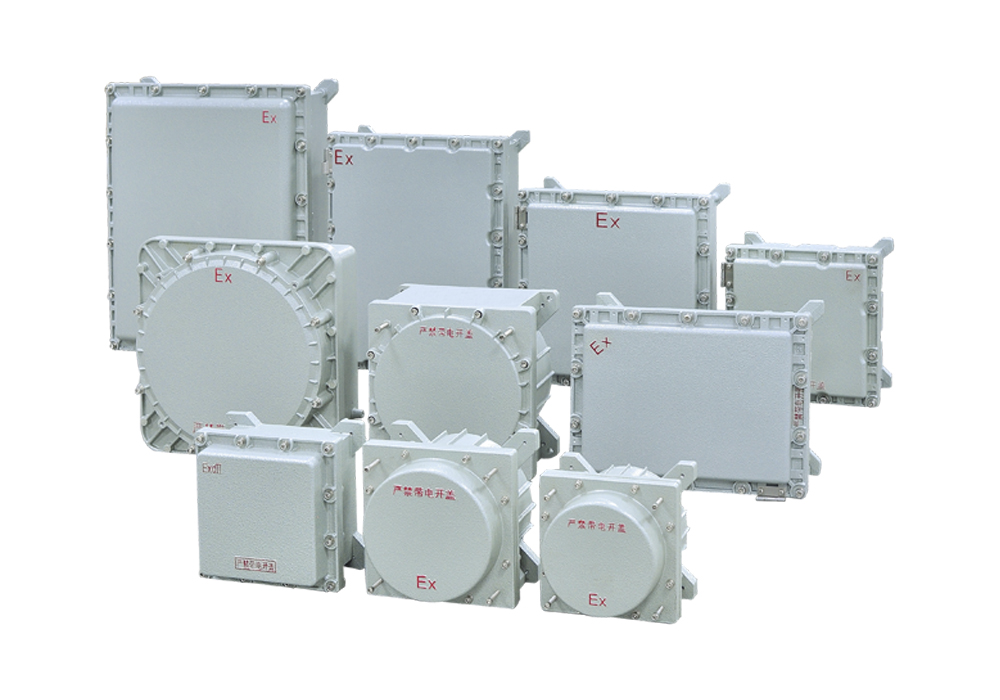
Choosing a certified explosion‑proof junction box is mainly about three things: match the box certification and marking to your hazardous area, select construction that survives your environment, and plan cable entries so installation stays compliant and easy to maintain. Do this well and a flameproof JB will protect critical connections, reduce ignition risk, and improve uptime in oil & gas, chemical, mining, pharmaceutical, and combustible-dust facilities.
Explosion‑proof junction boxes are used to house terminations and splices where flammable gases, vapors, or dust may exist. Their flameproof design helps prevent internal sparks or faults from igniting the surrounding atmosphere, while their sealing and materials protect wiring from water, dust, and corrosion.
Start with your site hazardous area classification. Selecting a junction box without aligning to zone and hazard type is one of the most common causes of rework.
Gas hazardous areas: Zone / Zone 1 / Zone 2
Zone : explosive gas atmosphere present continuously or for long periods
Zone 1: likely during normal operation
Zone 2: unlikely in normal operation, or only briefly
Dust hazardous areas: Zone 20 / Zone 21 / Zone 22
Zone 20: combustible dust present continuously or frequently
Zone 21: likely during normal operation
Zone 22: unlikely, or only briefly
Many sites have both vapor and dust risks in different units, or even in the same production chain. In those cases, specifying a junction box series that covers both gas and dust zones can simplify procurement and spares, as long as the exact marking and protection concepts match the classified area.
For general guidance on hazardous location requirements and safe equipment selection, many engineers reference NFPA and IECEx system resources.
Certification is procurement-critical because it provides third-party confirmation that the product meets defined hazardous-area requirements.
Before issuing a PO, request:
Certificates and scope, including the exact model and options covered
Nameplate marking details, such as gas group and dust group, temperature class, and EPL
Documentation traceability for turnover packs and audits
ATEX is common for EU compliance and many international project specs
IECEx supports global acceptance and consistency across multi-country operations
UL or other North American approvals may be required where NEC practices are enforced
If you operate across regions, align with the owner spec and EPC documentation requirements, then choose a model whose certificate scope clearly matches your application.
In industry, the phrase explosion-proof junction box is used broadly, but engineering selection depends on the protection method shown on the marking.
Common concepts include:
Ex d flameproof enclosure, intended to contain an internal explosion and prevent ignition of the surrounding atmosphere
Ex e increased safety, intended to avoid arcs, sparks, and excessive temperatures in normal service
Ex tb protection by enclosure for dust, focused on dust ingress control and surface temperature limits
Some junction boxes combine concepts depending on design. Always select based on the site classification document and your electrical design, not on appearance or wall thickness.
Correct certification does not prevent corrosion, chemical attack, or coating failure. Material choice should reflect the installation conditions.
Typical options:
Aluminum alloy housings for a strong balance of durability and weight
Stainless steel or carbon steel options for high corrosion exposure, offshore or coastal units, and aggressive chemical areas
Plastic enclosures for selected corrosion or weight constraints, only where permitted by standards and certification scope
Shengyi (Zhejiang Shengyi Explosion-Proof Electric (Zhejiang) Co., Ltd.) supplies multiple explosion‑proof junction box series designed for explosive gas Zone /1/2 and combustible dust Zone 20/21/22 environments, including aluminum alloy and corrosion‑resistant stainless steel configurations for harsh plant conditions.
Temperature details are often missed until commissioning. Confirm:
Ambient range for the exact model, such as -40°C to +55°C, with high-temperature variants up to +80°C when available
Temperature class or maximum surface temperature suitability for your gas or dust hazard
Compatibility of glands, seals, and terminals across the same temperature envelope
Also consider solar loading, proximity to hot equipment, and enclosure mounting location.
Cable entry planning is where many hazardous-area installations become costly. A certified enclosure can be made noncompliant by incorrect entry work or mismatched glands.
Define:
Entry count based on circuit count and routing, commonly 2 to 8 entries
Thread sizes according to project standard, often M20 to M63
Entry directions to support cable routing, drip loops, and drainage strategy
Certified cable glands that match hazard type, cable type, and sealing needs
Certified stopping plugs for unused entries
Maintenance-friendly designs can reduce time-on-tools, but sealing integrity and certified components must always be maintained.
For EPC and MRO teams, internal practicality drives real lifecycle cost.
Check:
Terminal block configuration options and conductor size range
Space for bending radius and clean dressing of conductors
Heat dissipation and spacing for higher current circuits
Ease of inspection and re-termination without damaging sealing surfaces
A well-sized box with a sensible internal layout reduces installation errors and makes troubleshooting faster.
Beyond the box itself, your supplier should support the paperwork and engineering discipline that hazardous areas demand.
When sourcing hazardous-area electrical packages, some buyers also consolidate vendors for documentation consistency. If you are already evaluating explosion proof lights for sale, it can be efficient to work with a supplier that supports both lighting and junction boxes under one hazardous-area documentation approach. Shengyi manufactures flameproof equipment used in oil & gas, chemical, mining, pharmaceuticals, and combustible dust risk locations, covering junction boxes, lighting fixtures, control stations, and accessories.
In your RFQ, ask for:
Certification files and marking photos for the exact configuration
Material and corrosion protection details for the installation environment
QA routines and routine test statements where applicable
Warranty terms and lead-time stability
For buyers vetting an explosion proof lights manufacturer, verify they also have hazardous-area engineering capability and product documentation discipline when supplying junction boxes and related accessories.
It is a certified enclosure used in hazardous areas to protect electrical connections and reduce the risk that sparks, arcs, or hot components could ignite surrounding flammable gases, vapors, or combustible dust.
Zone is the highest-risk gas zone and typically requires very specific equipment selection. Whether a junction box is acceptable depends on the protection concept, marking, and the site engineering standard. Always confirm with your hazardous-area engineer.
Choose a model with marking that covers both gas zones and dust zones, then verify temperature limits, IP rating, gland compatibility, and certificate scope match your exact installation conditions.
Entry count depends on circuit quantity and routing. Many industrial configurations support 2 to 8 entries, with threaded ports commonly ranging from M20 to M63, subject to project standards and gland selection.
Field modifications can invalidate certification and create safety risk. Use approved configurations, certified entries, and manufacturer guidance aligned with your site standard.

E-mail:
zou@shengyiex.com

Phone:
+86-13817799891

Add:
No.8 Bailian Road, Nanmingshan Street, Liandu District, Lishui City, Jiangsu Province