 EN
EN
 cn
cn -d1.webp "EFXX Waterproof, Dustproof, and Corrosion-Resistant Maintenance Box (Aluminum Alloy)")
Combustible Dust Hazards (2026): How to Choose the Right Explosion Proof Socket for Pharma and Grain Processing
Jun 14,2026


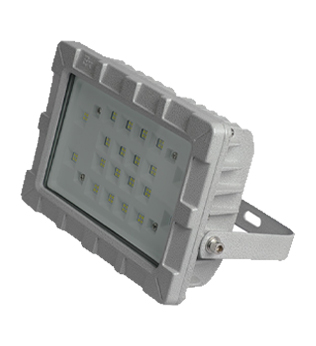
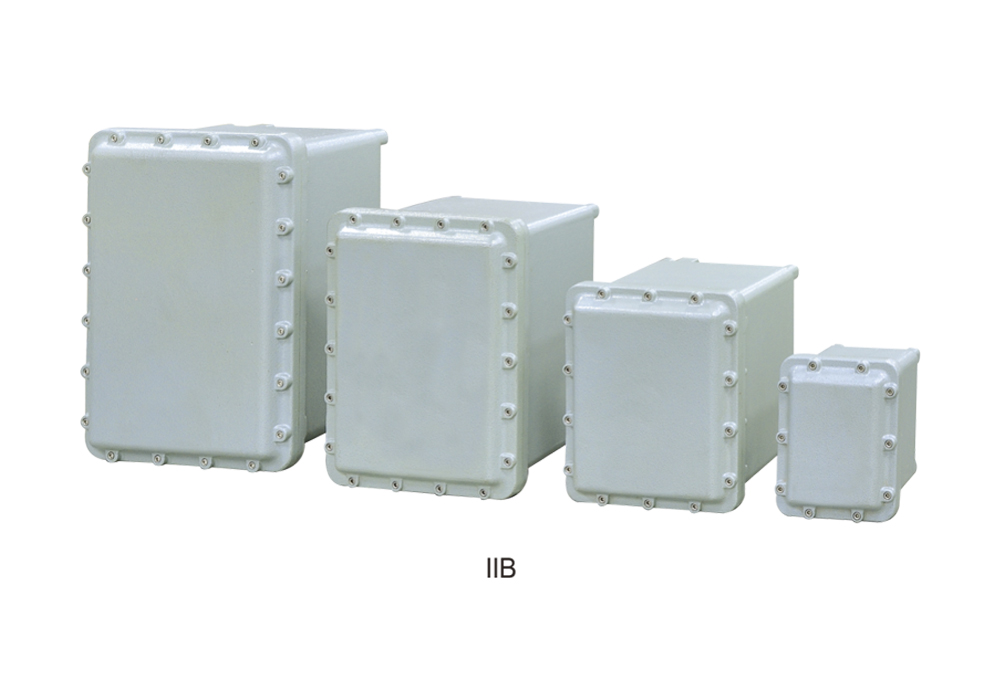
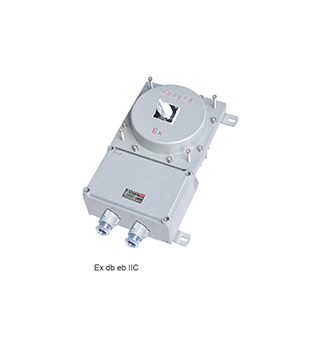
-series-explosion-proof-power-distribution-panels.webp "SEM(D) Series Explosion-Proof Power Distribution Panels")
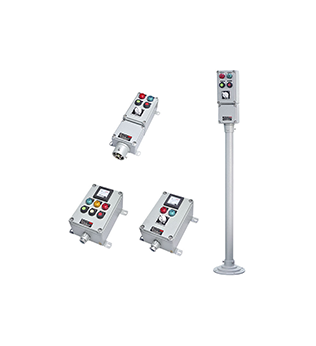
-x.webp "EFC Waterproof, Dustproof, and Corrosion-Resistant Control Station (Aluminum Alloy)")
-waterproof,-dustproof,-and-corrosion-resistant-lighting-(power)-distribution-box-(aluminum-alloy)-x.webp "EFM(D) Waterproof, Dustproof, and Corrosion-Resistant Lighting (Power) Distribution Box (Aluminum Alloy)")
-x.webp "EFDZ Waterproof, Dustproof, and Corrosion-Resistant Circuit Breaker (Stainless Steel/Carbon Steel)")
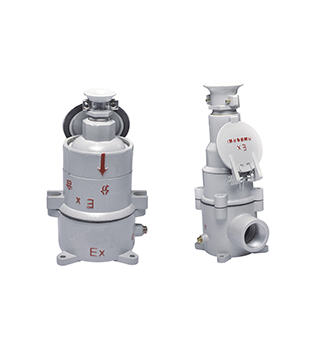
-x.webp "EFCX-n Waterproof, Dustproof, and Corrosion-Resistant Pin Connector (Aluminum Alloy)")
-x.webp "EFJX Waterproof, Dustproof, and Corrosion-Resistant Junction Box (Aluminum Alloy)")
-x.webp "Waterproof, Dustproof and Anti-Corrosion Electrical Box (Economy Type)")
Oil refineries are switching to certified explosion‑proof LED lighting because it reduces ignition risk in classified hazardous areas while cutting energy use and maintenance costs. In environments where flammable gases, vapors, or combustible dust may be present, certified fixtures help contain potential ignition sources, support regulatory compliance, and deliver reliable illumination for critical operations.
Modern refinery teams are also using lighting upgrades to solve long-standing field issues—corrosion failures near coastal units, water ingress during washdowns, frequent relamping at height, and poor visibility on pipe racks or around valve manifolds. The result: explosion‑proof LEDs are no longer a nice to have, but a practical safety-and-uptime investment.
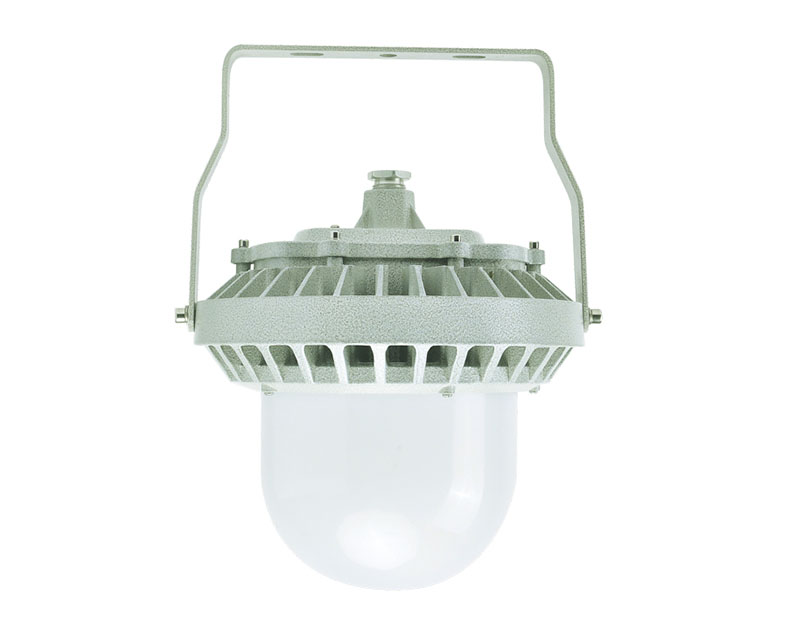
In hazardous areas, a standard light fixture can become a hazard if internal arcing, overheating, or component failure ignites the surrounding atmosphere. Certified explosion‑proof LED fixtures are engineered to mitigate these risks by design, typically through:
Sealed, flameproof enclosures intended to contain ignition and prevent flame propagation
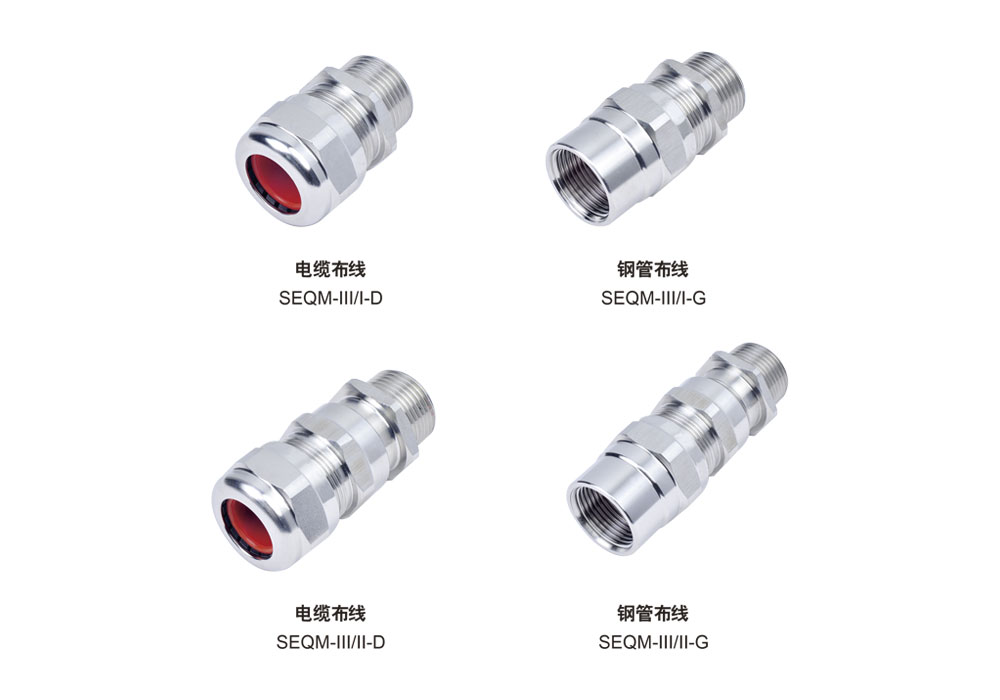
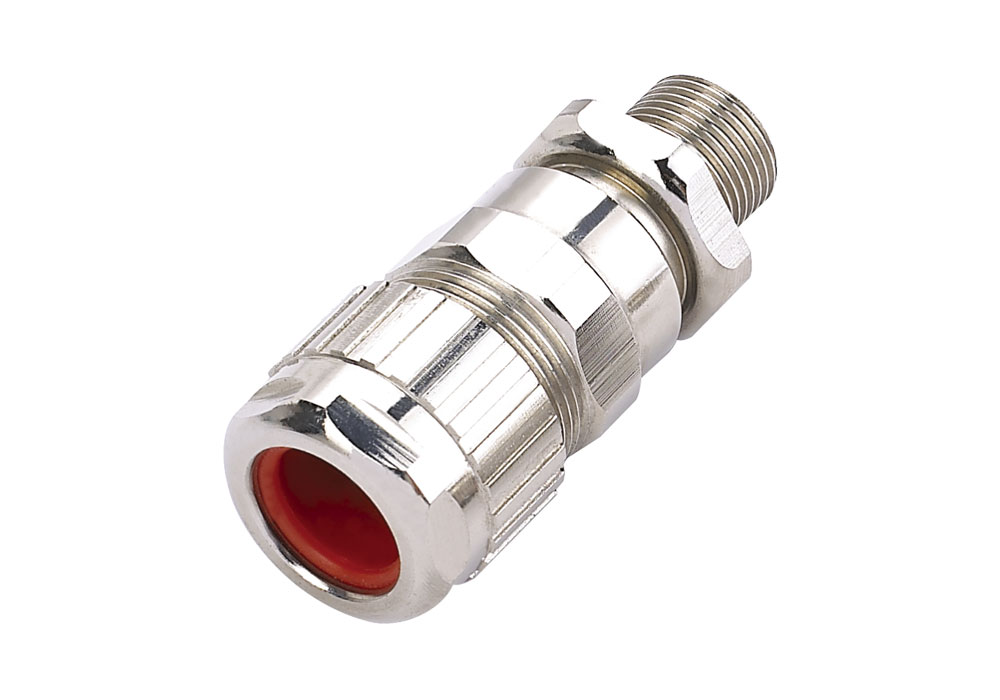
Anti-spark construction and robust cable entry methods
Thermal management to limit surface temperatures
High ingress protection (often IP66+) to resist dust, water jets, and contaminant intrusion
These principles align with how hazardous (classified) locations are treated in electrical codes and safety guidance, including the U.S. National Electrical Code (NEC/NFPA 70).
Certifications matter because they move lighting selection from vendor claims to independently verified conformity. When procurement, engineering, and EHS teams specify ATEX, IECEx, or UL hazardous-location requirements, they’re trying to ensure the product is appropriate for the site’s area classification and the specific risk profile of the unit.
In practice, choosing certified fixtures helps refineries:
Reduce compliance uncertainty during audits and incident reviews
Standardize approved parts across multiple sites and contractors
Simplify engineering approval (nameplate markings, documentation packages, traceability)
Avoid misapplication between Zone 1/Zone 2 or Division 1/Division 2 areas
IECEx provides publicly available system information that many global operators use when evaluating certification legitimacy and scope.
Refinery lighting is expensive in ways that don’t show up on a purchase order. A lamp replacement might require a work permit, lift equipment, a shutdown window, a supervisor sign-off, and time at height. LED technology can reduce these indirect costs by extending service intervals and improving reliability.Typical operational advantages include:
Lower energy consumption versus legacy sources (depending on the baseline)
Longer service life, reducing relamping frequency and contractor hours
Less disruption, because fewer failures mean fewer urgent callouts
Better optical control, improving task visibility and uniformity
For background on why LEDs outperform traditional sources in efficiency and lifecycle performance, the U.S. Department of Energy’s SSL resources are a solid reference point.
Refineries rarely have a single hazardous area. They have a patchwork of process units and exposure conditions. That’s why many projects use a mix of fixture types to match risk level, mounting height, and task requirements. Common use cases include:
Process areas and pump skids: robust general illumination with glare control
Pipe racks and high-bay structures: higher lumen packages and optimized beam angles
Loading/unloading and tank farms: wide, uniform distribution and weather resistance
Maintenance routes and egress paths: localized and emergency lighting support
Dust-risk locations: appropriate dust-rated solutions for combustible particulate hazards
Manufacturers with broad hazardous-area portfolios can reduce sourcing complexity by supplying complementary components beyond lighting—useful when a site wants consistent compliance documentation across equipment families.
A practical hazardous-area lighting package often includes several categories (depending on the unit and local standards):
Explosion‑proof LED lighting for primary illumination in gas/vapor risk areas
Explosion‑proof lamps for targeted lighting at equipment or specific task points
Explosion‑proof localized / warning / emergency lighting for critical routes and safety response
Explosion‑proof and corrosion-resistant fluorescent lighting where sites still require fluorescent form factors or specific legacy constraints
This is also where custom configuration becomes important: beam angle, lumen output, CCT preferences, mounting options, and cable entry orientation can make or break field results.
Refinery upgrades often fail when teams only “swap fixtures” instead of redesigning the lighting plan. A better approach is to match illumination patterns to the real work: reading gauges, spotting leaks, walking stairs, or performing lockout/tagout at night.A supplier that supports custom industrial lighting configurations can help with:
Selecting lumen output and distribution by mounting height and spacing
Reducing glare near control points and access platforms
Filling shadow zones around pipework, valves, and structural steel
Standardizing fixture families while tailoring optics unit-by-unit
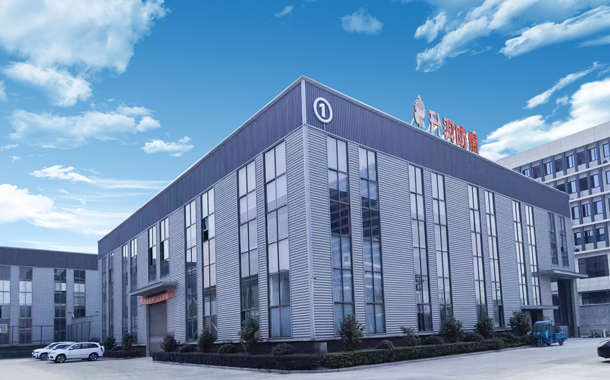
This is a key capability of Shengyi (Zhejiang Shengyi Explosion-Proof Electric (Zhejiang) Co., Ltd.). As a professional flameproof equipment manufacturer, Shengyi specializes in safe and reliable electrical solutions for hazardous environments—supporting industries including oil & gas, chemicals, mining, pharmaceuticals, and facilities with combustible dust risks. In addition to lighting fixtures, its portfolio covers control stations, junction boxes, and accessories, helping sites build a more consistent hazardous-area electrical system.
Explosion-proof LED fixtures are designed with sealed, rugged enclosures and construction methods intended to contain potential ignition events and reduce the risk of igniting flammable gases, vapors, or dust in classified areas.
It depends on your region and internal standards. Many global operators use ATEX and/or IECEx, while U.S. sites commonly reference NEC/UL hazardous location requirements. The key is that the certification scope matches your area classification and hazard type.
Start with your hazardous area classification study. Zone 1 generally requires equipment certified for more frequent presence of explosive atmospheres than Zone 2. Then verify markings, temperature class, ingress protection, and suitability for your gas/dust group.
Often yes. Longer service life can mean fewer relamping events, which reduces labor, access equipment use, and permit-related downtime—especially valuable in high-bay and hard-to-reach areas.
Yes. Shengyi (Zhejiang Shengyi Explosion-Proof Electric (Zhejiang) Co., Ltd.) manufactures flameproof equipment used in hazardous environments, including lighting fixtures as well as control stations, junction boxes, and accessories—helpful for standardizing compliance documentation across multiple electrical components.

E-mail:
zou@shengyiex.com

Phone:
+86-13817799891

Add:
No.8 Bailian Road, Nanmingshan Street, Liandu District, Lishui City, Jiangsu Province